CLIMATE CHANGE EDUCATION TRAINING COURSE
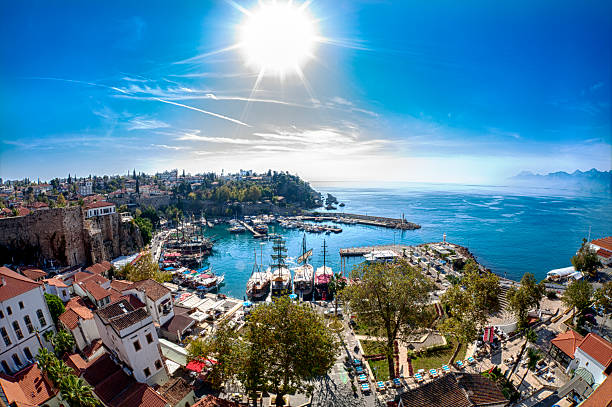
The course will be hosted in Antalya, the host city of COP31 in November 2026. This 5-day training aims to strengthen teachers’ scientific understanding of climate change, build their capacity to embed climate awareness across disciplines through active and creative pedagogies including drama-based learning, climate puzzles, and hope-based approaches and equip them to inspire real behavioural change in students while managing eco-anxiety constructively. The program aligns with the European Green Deal and GreenComp (European Sustainability Competence Framework).
Learning Outcomes
By the end of the training, participating teachers will be able to:
- Explain the scientific fundamentals of climate change (greenhouse effect, carbon cycle, global warming data)
- Analyse local and global impacts of climate change (biodiversity loss, migration, food security)
- Integrate climate change into their own subject area (science, social studies, language, arts, etc.) through interdisciplinary approaches
- Apply active learning methods such as project-based learning, design thinking, drama/role-play, and gamified puzzles
- Use hope-based pedagogy to manage student eco-anxiety and foster motivation for action rather than despair
- Design a school-based climate action project (green school initiative)
- Develop teaching materials using digital tools, simulations, and open educational resources
- Share good practices with Erasmus+ partners and create a dissemination plan for their home institution
5-Day Training Programme
Day 1 — Introduction & Scientific Foundations
| Time | Content |
|---|
| 09:00–09:30 | Opening, introductions, project and programme overview |
| 09:30–11:00 | The science of climate change: greenhouse effect, carbon cycle, IPCC reports |
| 11:00–11:15 | Break |
| 11:15–12:30 | Climate Puzzle Session: teams solve an interlocking “climate mystery” puzzle (cause-effect cards, data clues) to reconstruct the climate system as a whole |
| 12:30–13:30 | Lunch |
| 13:30–15:00 | Country presentations: climate change education practices in partner countries |
| 15:00–15:30 | Workshop: data literacy — working with global temperature/CO2 datasets |
| 15:30–16:00 | Daily reflection journal |
Day 2 — Impacts & Local Context
| Time | Content |
|---|
| 09:00–10:30 | Biodiversity loss, food/water security, migration and climate justice |
| 10:30–10:45 | Break |
| 10:45–12:30 | Field visit / local case study (visit to a local ecosystem or environmental site) |
| 12:30–13:30 | Lunch |
| 13:30–14:45 | Workshop: mapping local climate risks (for participants’ own school regions) |
| 14:45–16:00 | Drama Session I: role-play — students as “climate stakeholders” (farmer, policymaker, youth activist, CEO) negotiating a local climate decision |
Day 3 — Pedagogy & Interdisciplinary Integration
| Time | Content |
|---|
| 09:00–10:15 | GreenComp framework and sustainability competences |
| 10:15–10:30 | Break |
| 10:30–11:30 | Project-based learning (PBL) and design-thinking methods |
| 11:30–12:30 | Climate Puzzle Session II: subject-specific puzzle challenges (science, language, arts, maths versions of the same climate riddle) |
| 12:30–13:30 | Lunch |
| 13:30–15:00 | Workshop: developing subject-based lesson plans (science, social studies, language, arts groups) |
| 15:00–16:00 | Group presentations and peer feedback |
Day 4 — Emotional Dimension & Hope-Based Action
| Time | Content |
|---|
| 09:00–10:30 | Understanding eco-anxiety: causes, symptoms, and classroom signs |
| 10:30–10:45 | Break |
| 10:45–12:15 | Hope-Based Climate Education Session: pedagogy of hope, active hope frameworks, storytelling about climate solutions and youth-led change |
| 12:15–13:15 | Lunch |
| 13:15–14:45 | Drama Session II: forum theatre — students devise and perform short scenes showing a community responding to a climate challenge with hope and agency |
| 14:45–16:00 | Workshop: “Green School” action project design (group work) |
Day 5 — Application, Dissemination & Evaluation
| Time | Content |
|---|
| 09:00–10:30 | Final presentations of Green School action projects |
| 10:30–10:45 | Break |
| 10:45–12:00 | Institutional dissemination plan: how to transfer this training into participants’ schools |
| 12:00–13:00 | Lunch |
| 13:00–14:15 | Erasmus+ networking: future partnerships and good-practice sharing platform |
| 14:15–15:15 | Evaluation survey, certificate ceremony |
| 15:15–16:00 | Closing session and final reflection |